
Bändoki is a contemporary multimedia artist whose creative process weaves together diverse disciplines—photography, acrylic painting, poetry, video, music, and artificial intelligence—into cohesive, experimental works that explore themes of cultural identity, nature, spirituality, and human emotion. Drawing from a Mexican-American background and influences like folk traditions, urban light displays, and cinematic storytelling, Bändoki’s approach is iterative and interdisciplinary, often starting with personal observation or emotional reflection and evolving through layers of digital and analog creation. Below is a step-by-step description of their typical creative process, including AI-generated music on platforms like Suno, video clips on YouTube, and social media posts showcasing visual and performative elements.
I. Inspiration and Conceptualization. Poetry as the Foundation.
Bändoki‘s process frequently begins with poetry as the core spark. They draw from everyday experiences, such as night offerings (“Ofrenda de la noche“), shadows on adobe walls, or the brilliance of natural or urban light (“Sigue Brillando“). These poems are written in Spanish or English, capturing raw emotions, cultural rituals, or philosophical musings. For instance, a piece might reflect on resilience (“Unstoppable“) or companionship (“El Compa Luis“). This stage is introspective, often involving journaling or freewriting during travels or events like New Year’s light shows in Santa Fe, New Mexico. The poetry serves as a narrative blueprint, setting the tone, themes, and structure for the rest of the work.
II. Visual Exploration. Photography and Acrylic Painting.
Once the poetic foundation is laid, Bändoki transitions to visual media to externalize the concepts. Photography comes first, capturing real-world scenes that echo the poem’s imagery—such as nighttime landscapes, colorful light installations, or cultural celebrations events. These photos act as references or standalone pieces, emphasizing texture, light, and shadow to evoke mood (e.g., vibrant holiday displays or serene adobe architecture).
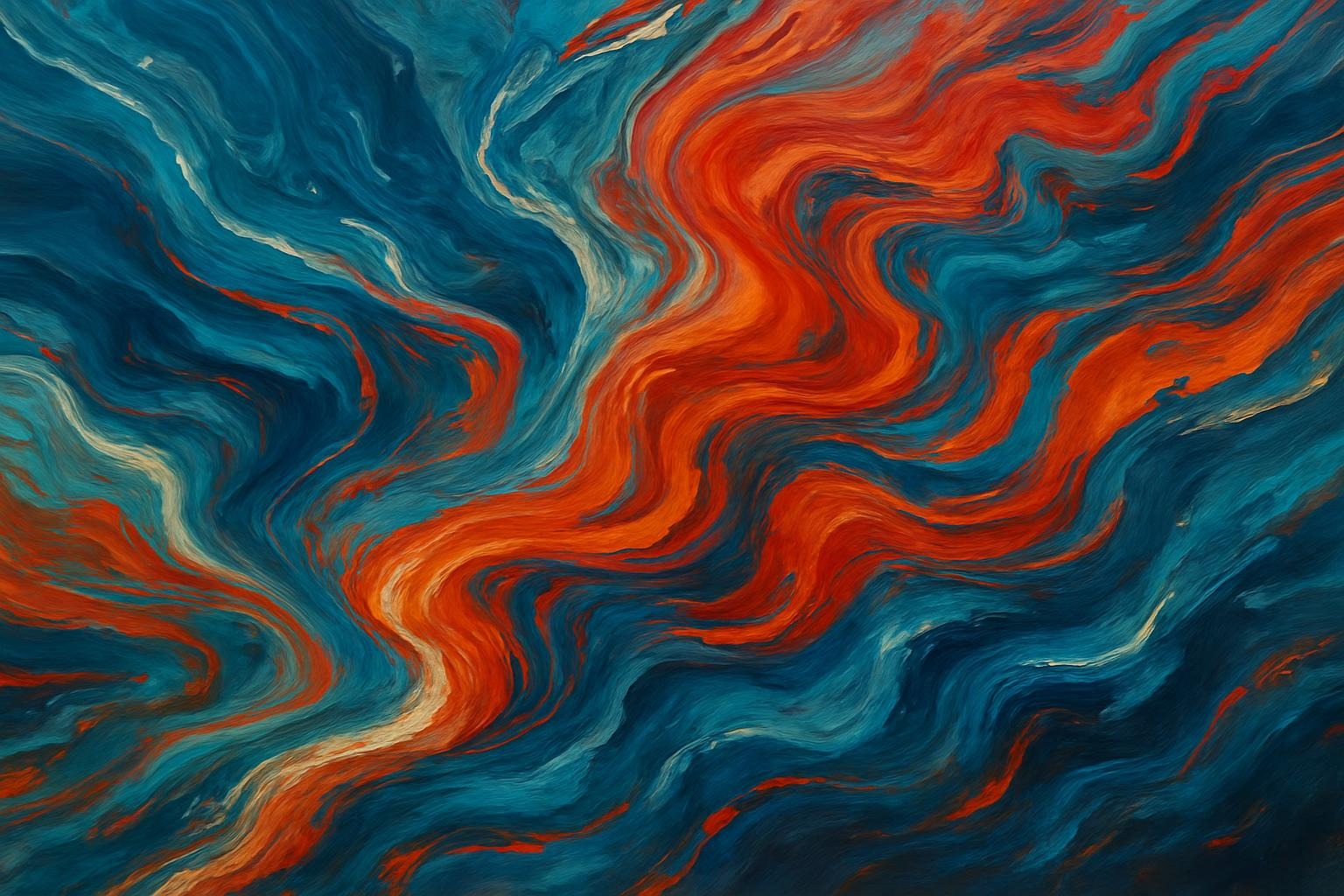
From there, acrylic painting allows for deeper interpretation. Bändoki uses bold, layered colors on canvas to abstract the photographic elements, blending realism with surrealism. Acrylics are chosen for their quick-drying versatility, enabling spontaneous additions like metallic accents or textured impasto to represent ethereal qualities like “shadows” or “brilliance.” This phase is hands-on and meditative, often completed in a studio setting, where the artist iterates on drafts to align the visuals with the poem’s rhythm.
III. Audiovisual Integration. Video and Music.
With visuals in place, Bändoki incorporates motion and sound. Video production involves editing footage from photography sessions or new shoots into short clips or montages. Titles like “Sigue Brillando (video clip)” suggest dynamic sequences that animate the poetry, using simple effects like slow-motion or color grading to enhance emotional depth. Videos might feature natural elements (e.g., mountains calling or sea spirits) or performative aspects, such as dance or spoken word, filmed in different locations and cultural venues.
Music is composed next, often collaboratively with AI tools. Bändoki experiments with platforms like Suno to generate tracks, creating playlists of remixes, instrumentals, and thematic songs (e.g., “REMIX by Bändoki” with 38 tracks, “Instrumental” with 18, or “Inspiration” with 23). Styles range from prehispanic-inspired rhythms with flutes and drums to upbeat summer love remixes or inspirational melodies. AI helps iterate quickly—inputting poetic lyrics or mood prompts to produce layered percussion, airy flutes, or ceremonial beats—while Bändoki refines them manually for authenticity. This fusion creates soundscapes that sync with videos, turning static art into immersive experiences.
IV. AI Enhancement and Iteration. Digital Synthesis.
Artificial intelligence is the unifying thread, used not as a replacement but as an experimental tool to amplify creativity. Bändoki employs AI for generating initial music hooks (e.g., 3.7K hooks across 137 songs on Suno), remixing tracks, or even suggesting visual variations for paintings and photos. For example, AI might analyze a poem to propose color palettes for acrylics or generate abstract video effects. This stage involves multiple iterations: testing AI outputs, blending them with handmade elements, and refining to avoid “physics anomalies” or unnatural feels, ensuring the final work feels organic. The artist’s bio emphasizes “experimenting with AI as a tool in artistic creations,” highlighting its role in pushing boundaries, like creating remixes that evoke spiritual or inspirational themes.
V. Final Synthesis and Presentation.
The process culminates in synthesizing all elements into a multimedia piece, such as a video poem with overlaid paintings, AI-generated music, and photographic stills. Bändoki shares these on platforms like YouTube (videos like “Sea’s spirit” or “The mountain calls“), TikTok, X, or live events in cultural hubs like Santa Fe. Feedback from audiences informs revisions, fostering a cycle of growth. The result is art that feels alive and hybrid—traditional roots enhanced by technology—inviting viewers to reflect on identity, nature, and innovation.
Bändoki’s work remains emerging, with online engagement, resonates through its authentic integration of heritage and modernity. Comments from online sources are note the “evocative” blend of AI remixes with poetic visuals, praising how it “evokes a sense of ancient rituals in a digital age.” This process not only produces art but also serves as a personal exploration, adapting to bugs or challenges with resilience.